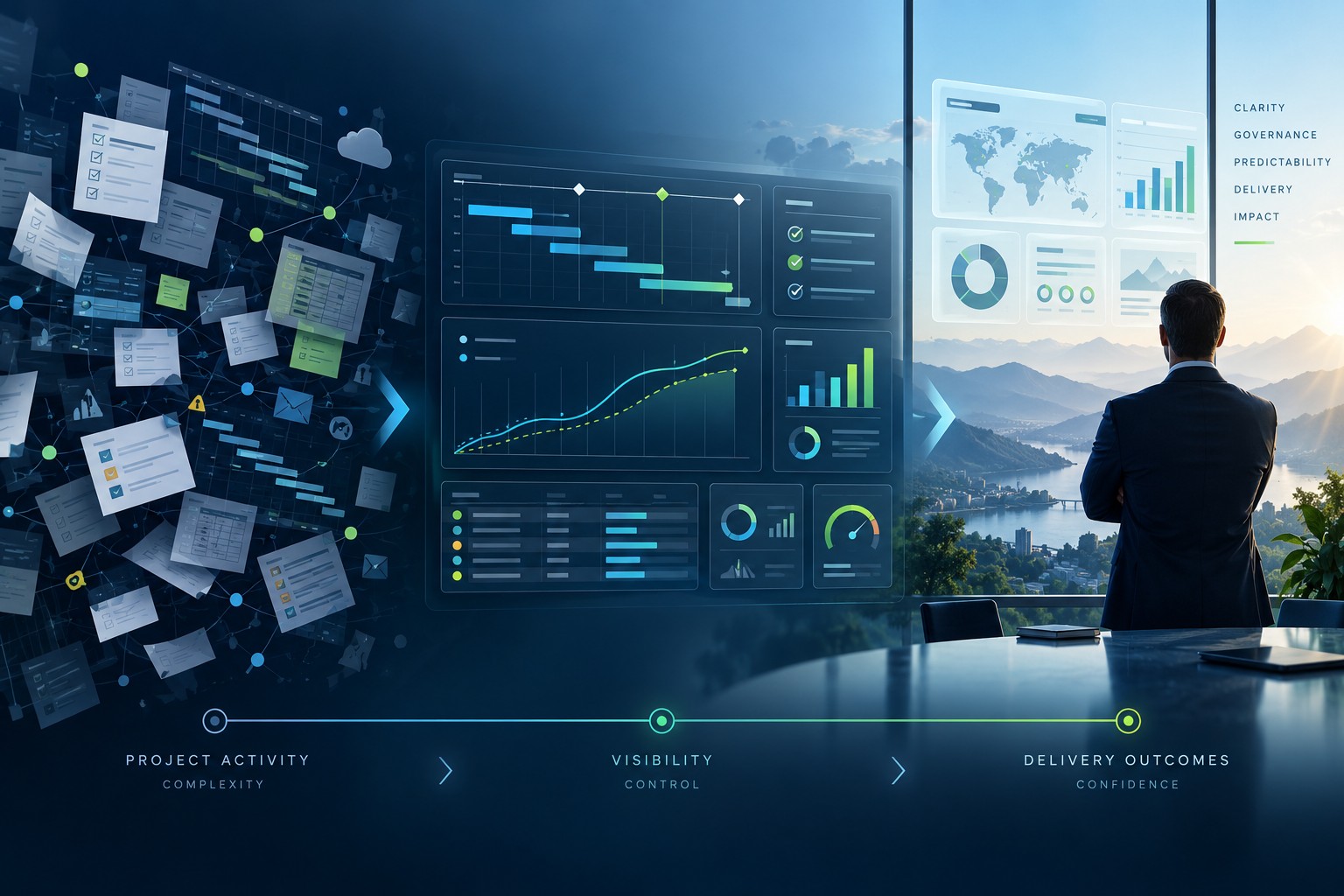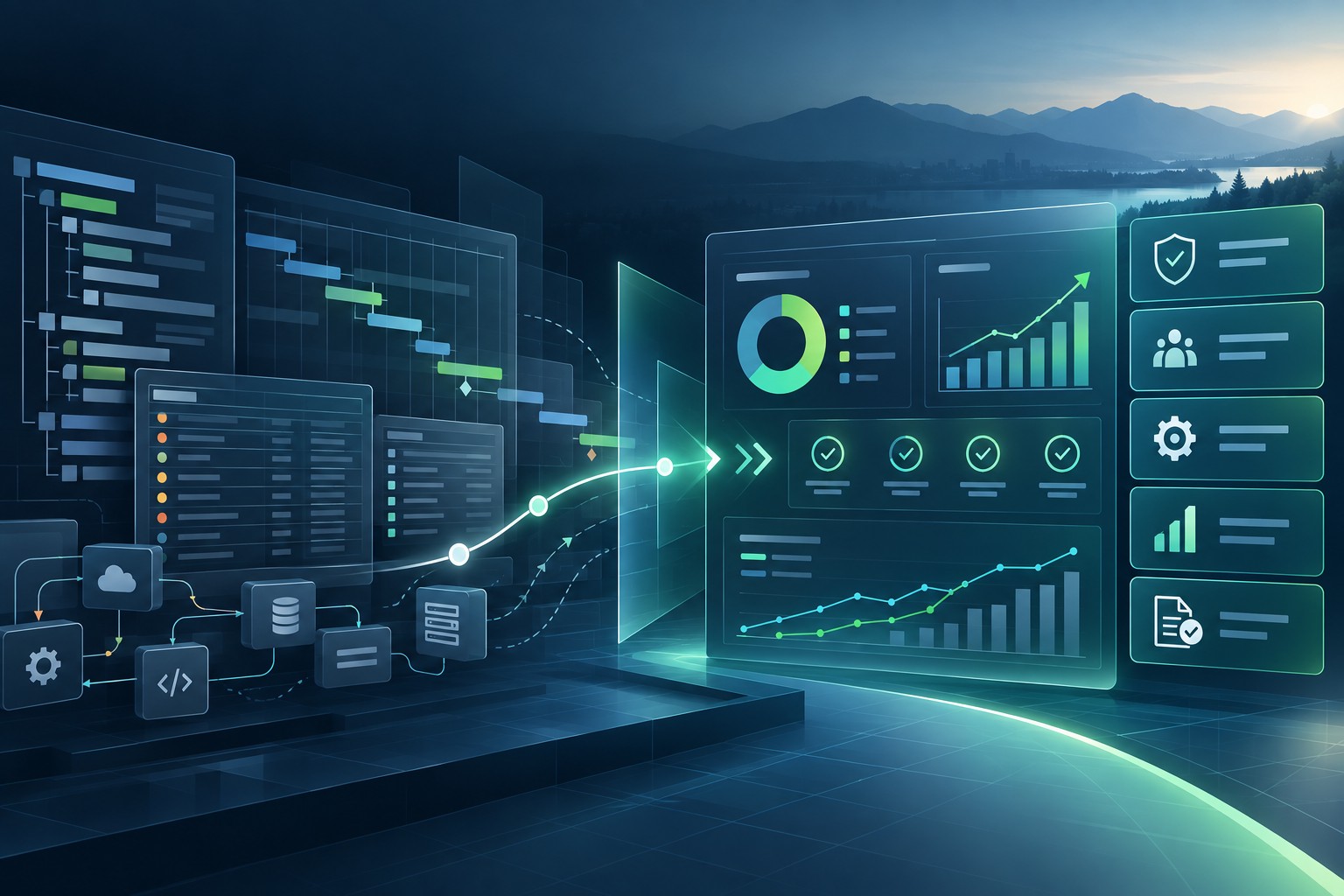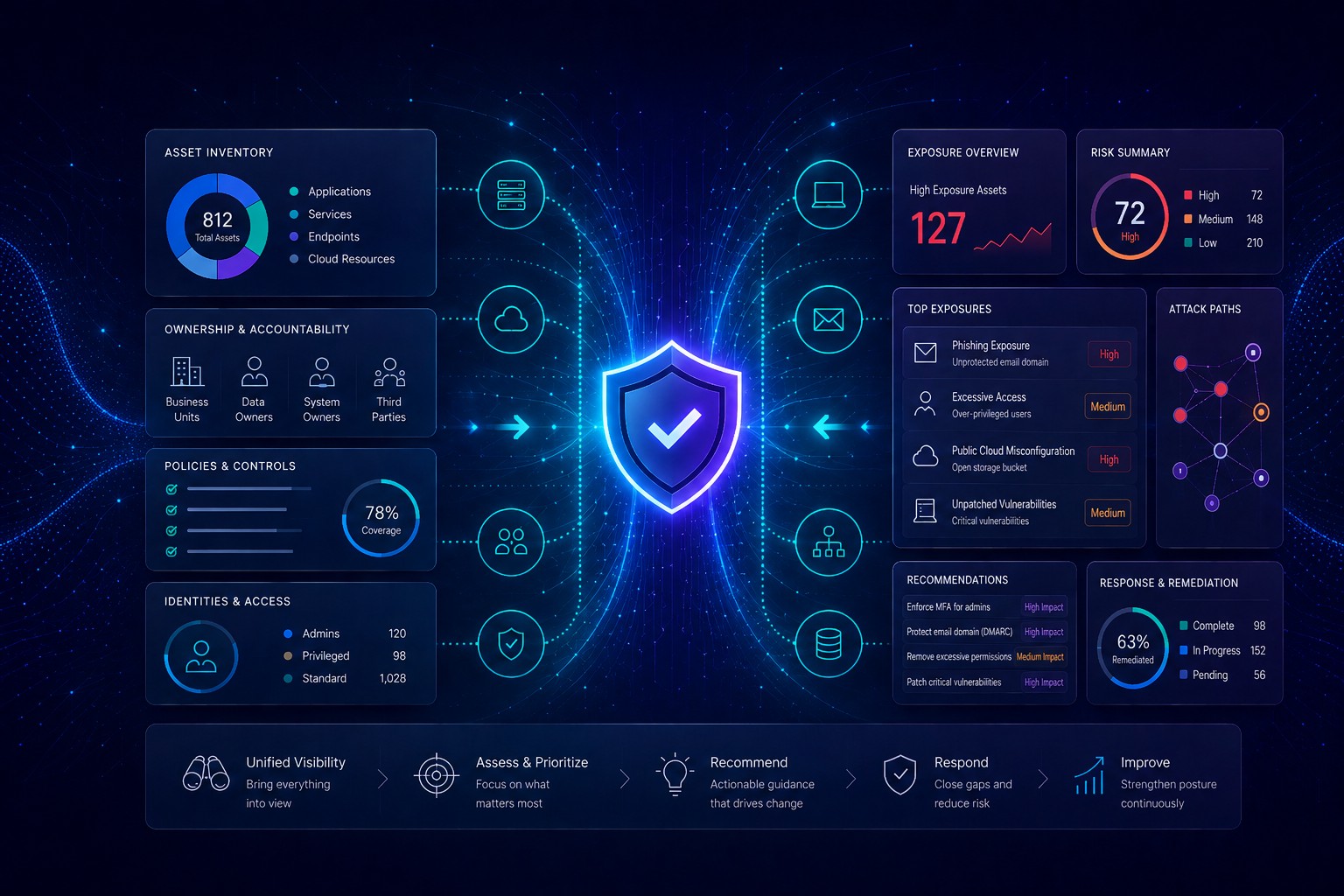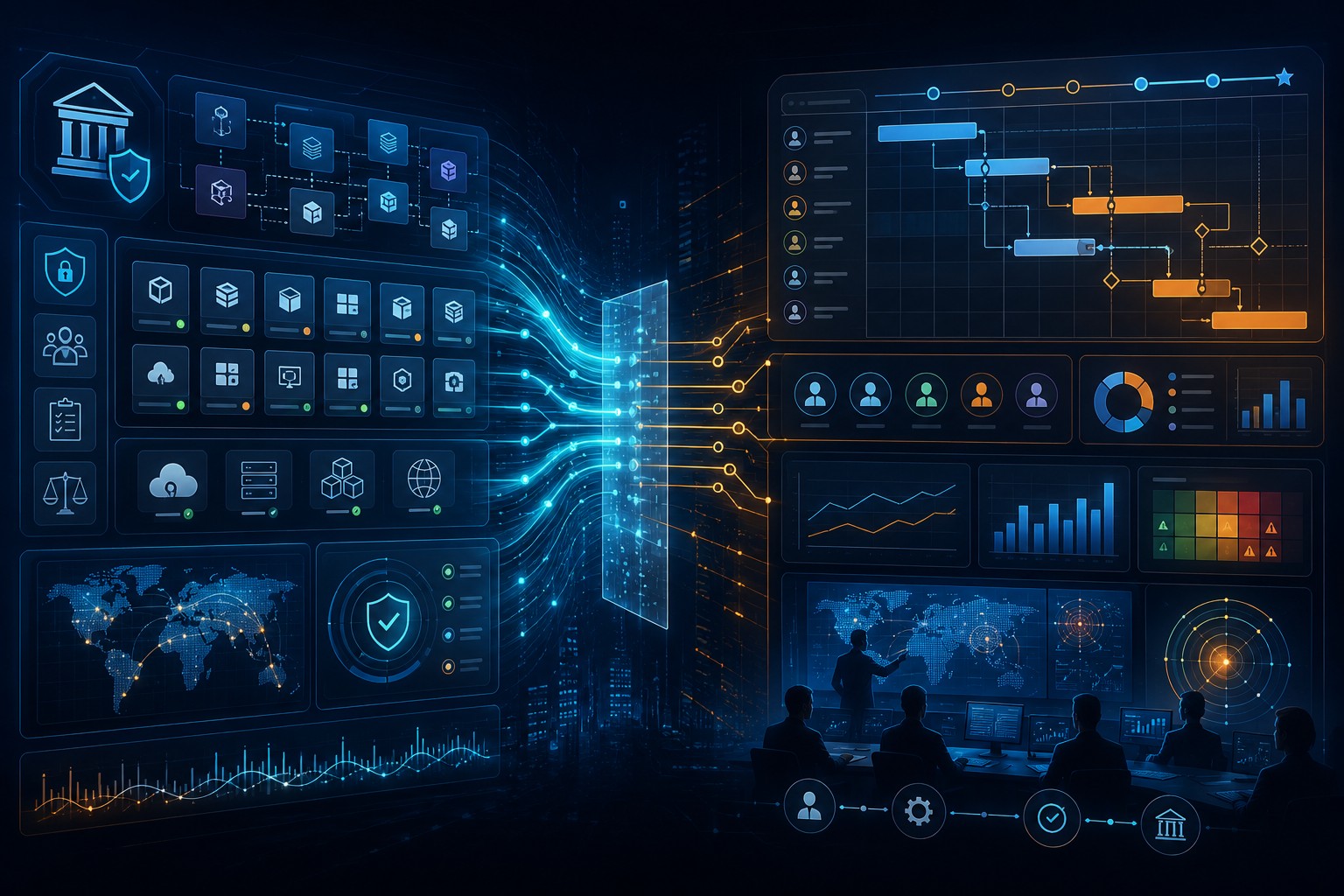
Modern work no longer sits neatly inside one office, one department, one spreadsheet, or one project schedule.
It moves.
It moves through Teams meetings, SharePoint libraries, Outlook threads, Planner tasks, Power Automate flows, Power BI dashboards, Dataverse records, approvals, apps, identities, devices, permissions, and reporting layers.
That is now normal.
A colleague may be in Canada. Another may be in the United States. Another may be in Europe, Asia, Africa, or somewhere else entirely. They may work together every week, every day, or every few hours without the organization treating that as unusual.
The world has not exactly become smaller. But the operating environment has become more connected.
And once work moves across people, systems, identities, regions, permissions, and workflows, governance begins to touch security.
______________________________________________________________________________________________________________________
Distributed work is no longer exceptional.
It is ordinary.
The New Normal of Distributed Work
A project team can include internal staff, contractors, vendors, external advisors, shared service groups, and technical specialists working across different locations and time zones.
The work may be coordinated through meetings,
but the evidence of the work often lives somewhere else:
• a file
• a task
• an approval
• a workflow
• a dashboard
• a list
• a record
• a system log
• a permission
• an identity
That matters.
Because modern delivery oversight cannot only ask:
Did the work happen?
It also has to ask:
Where did the work happen?
Who had access?
What system carried the work?
What evidence exists?
What was approved?
What changed?
What should be visible, governed, protected, or reviewed?
That is where delivery oversight becomes more than project management.
It becomes governance.
And in distributed environments, governance becomes part of security.
______________________________________________________________________________________________________________________
A Small Operating Example
In the mock Regional Service Expansion Program, the delivery model included internal stakeholders and supporting contractor resources.
| Role | Delivery view | Governance/security question |
| Sarah Chen | Supply Chain / Vendor Lead | What vendor data, files, flows, or approvals can she access? |
| Arjun Nair | Operations / Deployment Lead | What site-readiness workflows or operational evidence does he touch? |
| James Patel | Finance / Controls Lead | What approval, invoice, budget, or control data can he view or update? |
| Vanan Nages | PMO / Governance Lead | What reporting, schedule, resource, and governance surfaces need oversight? |
1. Sarah Chen represented supply chain and vendor readiness.
2. Arjun Nair represented operations and deployment readiness.
3. James Patel represented finance and controls.
4. Vanan Nages represented PMO governance, schedule control, reporting, and oversight.
In a traditional project view, those people may appear as stakeholders, resources, task owners, or approvers.
But in a modern Microsoft environment, they may also be:
• tenant users
• members of a Team
• owners or participants in workflows
• viewers of dashboards
• collaborators on files
• holders of permissions
• approvers of decisions
• resources in a project model
• participants in reporting and governance processes
That changes the control question.
The PMO is not only asking:
Who owns the task?
It also has to ask:
What can this person access?
What workflow do they participate in?
What evidence do they touch?
What dashboard or report do they rely on?
What system carries their part of the work?
This is where identity, access, workflow, and delivery begin to overlap.
A person in a project plan is not only a name.
They may also be an identity, a permission holder, a workflow participant, and a governance signal.
Figure 1 — Microsoft Entra user view.
A redacted Microsoft Entra user view showing how people in a delivery model can also exist as tenant identities, access points, permission holders, and governance signals.
______________________________________________________________________________________________________________________
Identity, Access, and Workflow
In modern Microsoft environments, identity is one of the most important control points.
A person is not just a row in a resource table. They may also be connected to apps, devices, data, files, dashboards, workflows, and approvals.
Microsoft describes Microsoft Entra ID as a cloud-based identity and access management solution that connects people to apps, devices, and data. Microsoft’s Entra documentation also describes Entra ID as a way to manage user identities and control access to apps, data, and resources. 1
That matters because modern delivery depends on access.
If someone cannot access the right information, work slows down.
If someone has access they should not have, risk increases.
If access remains after a role changes, ownership becomes unclear.
If a workflow depends on the wrong identity, the process can become fragile.
This is why identity is not only an IT topic.
It is part of how work becomes controlled.
The PMO does not need to become the identity team.
But the PMO does need to understand that modern delivery depends on identity, access, ownership, permissions, and accountability.
______________________________________________________________________________________________________________________
When Workflows Become Control Surfaces
A workflow is not only automation.
It can become part of the organization’s operating fabric.
An intake flow may decide how new work enters the system.
A routing flow may determine who receives a request.
A readiness workflow may support deployment decisions.
A finance approval may determine whether spending proceeds.
A dashboard may shape what leadership sees.
A resource model may define who is responsible for delivery.
That means workflows create control questions:
Who owns the workflow?
Who can change it?
What does it connect to?
What data does it touch?
What happens if it fails?
What happens if the wrong person has access?
What happens if the process crosses teams, regions, or systems?
These are not only technical questions.
They are delivery questions.
They are governance questions.
And increasingly, they are security questions.
______________________________________________________________________________________________________________________
Security Is Not Only Restriction
It is easy to think of cybersecurity as a wall.
No access.
No permission.
No sharing.
No movement.
But in a modern organization, security cannot only be restriction.
Security also has to protect collaboration.
The goal is not to prevent people from working together.
The goal is to make sure they can work together safely.
In practice, safe collaboration is not protected by one control alone. It is supported by a broader governance and security surface: audit, compliance, information protection, data loss prevention, records management, insider risk, data governance, and data security posture.
These areas do not replace the work.
They help protect the environment where the work happens.
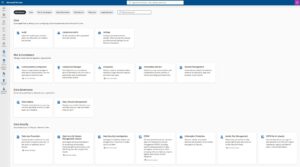
Figure 2 — Security and governance surface.
A redacted Microsoft Purview solutions view showing how audit, compliance, data governance, information protection, data loss prevention, insider risk, and data security capabilities sit around the modern work environment.
Microsoft Purview is described as a portfolio spanning data governance, data security, and data compliance. Microsoft also describes Purview as a set of solutions that helps organizations govern, protect, and manage data wherever it lives. 2
Those areas matter because modern work does not happen in only one place.
It happens across the environment.
A deeper cybersecurity view may move further into Defender-style questions of exposure, posture, incidents, recommendations, and response.
But the underlying pattern is the same: modern oversight depends on understanding the environment where people, systems, data, and workflows meet.
Security, then, is not separate from governance.
It is one of the ways governance becomes enforceable, observable, and resilient.
______________________________________________________________________________________________________________________
Where PMO, Governance, and Cybersecurity Meet
The modern PMO still needs traditional delivery skills:
• scheduling
• stakeholder management
• communication
• escalation
• risk management
• decision support
• reporting
• delivery discipline
But those skills now operate inside digital environments.
That changes the work.
A schedule may show when something should happen.
A dashboard may show what leadership sees.
A workflow may show how work moves.
An identity may show who can act.
A permission may show who can access evidence.
A connector may show what systems are touched.
A governance layer may show what needs to be reviewed.
This is where PMO, governance, and cybersecurity start touching the same surface.
The PMO is not replacing security.
The PMO is learning to understand the environment where delivery, access, workflow, and evidence intersect.
That is a different kind of delivery maturity.
______________________________________________________________________________________________________________________
The AI and Agent Layer
This becomes even more important as AI and agents enter the operating environment.
AI does not remove the need for oversight.
It raises the standard for oversight.
If agents begin participating in workflows, supporting decisions, summarizing information, triggering actions, or assisting users across systems, then organizations need to understand what those agents can see, what they can do, what they can access, and where accountability remains human.
Microsoft describes Agent 365 as a control plane to observe, secure, and govern AI agents. Microsoft’s Agent 365 overview also describes it as providing the ability to observe, govern, and secure the growing number of agents within organizations.
Microsoft Entra Agent ID extends Entra capabilities to AI agents, giving organizations purpose-built identity constructs to authenticate, authorize, govern, and protect agent identities at enterprise scale.
That matters because the same governance question returns:
What does this thing touch?
For a person, that question may involve identity, role, access, and permissions.
For a workflow, it may involve connectors, data, ownership, and run history.
For an agent, it may involve identity, authorization, lifecycle, security signals, and governance boundaries.
The pattern is the same. As work becomes more distributed and more AI-assisted, organizations need stronger ways to understand who or what is acting inside the environment.
That does not make human oversight less important.
It makes human oversight more important.
______________________________________________________________________________________________________________________
The Human Side
There is a human side to this too.
Global work can be beautiful. People from different countries, cultures, time zones, and professional backgrounds can work together toward the same goal.
A team member across the world may become someone you speak with daily.
A colleague in another region may become part of the ordinary rhythm of work.
A project may become stronger because the organization can draw from more people, more skills, more lived experience, and more perspectives.
But that kind of collaboration depends on trust.
And trust depends on systems that are governed well.
The point is not to fear distributed work.
The point is to understand it.
When work crosses boundaries, the environment carrying that work needs to be visible, governable, and secure.
______________________________________________________________________________________________________________________
Closing Thought
Modern governance is not only about controlling technology.
It is about protecting the conditions that allow people to work together.
When workflows become global, governance becomes security because delivery now moves through identities, permissions, systems, regions, data, approvals, and reporting layers.
That does not make collaboration less human.
It makes trust more important.
The goal is not to make work smaller.
The goal is to make distributed work safer, clearer, and more accountable.
At its best, security does not stop collaboration.
It protects it.
______________________________________________________________________________________________________________________
[1] Reference text:
Microsoft Entra is a family of identity and network access products that helps organizations implement
A Zero Trust security strategy.
[2] Reference text:
Microsoft Purview is a comprehensive set of solutions that helps your organization govern, protect, and manage data in the era of AI, wherever your data lives