
Over the past several months, I’ve been building and observing a Microsoft Power Platform Center of Excellence environment inside the MYT tenant.
That work started as a practical exercise:
• install the CoE Starter Kit
• observe makers, apps, flows, and environments
• understand how governance visibility appears over time
• learn how Power Platform activity becomes visible through dashboards and admin layers
What began as a CoE build has now become something broader.
With Microsoft 365 E7 now active in the MYT environment, the next phase of this work shifts from studying the CoE Starter Kit in isolation to building a broader governance lab.
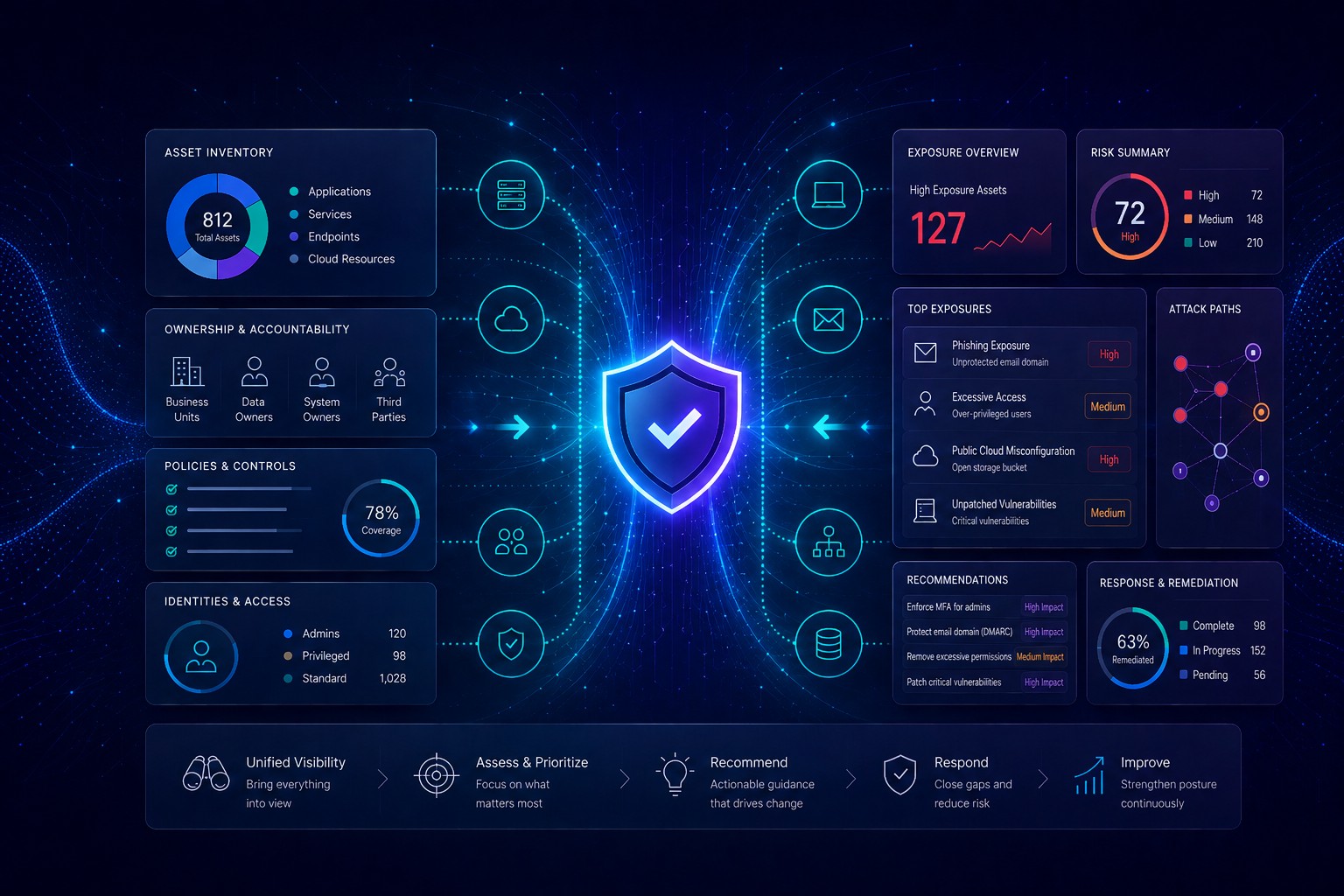
The goal is to understand how modern Microsoft environments support visibility across users, apps, flows, agents, identity, and delivery workflows.
In my previous blog for this sandbox, “Part 5 — The CoE Moves Closer to the Platform: An Audible—and a Checkpoint—in the Learning Journey,” I noted that the next phase would begin once the MYT environment moved from E5 to E7 and the newer governance and AI-administration layers could be explored directly.
That checkpoint has now arrived.
This is not only a licensing change. It is a shift in how delivery environments can be governed, observed, and made more resilient.
From CoE to Governance Lab
The CoE Starter Kit helped create an important foundation.
It made visible:
• who was building
• what was being automated
• which environments were active
• where flows, apps, and ownership relationships existed
• how platform telemetry matured over time
That learning still matters.
Even as Microsoft moves core CoE capabilities closer to the Power Platform admin center, the underlying governance questions remain the same. Microsoft’s current CoE documentation notes that the Power Platform CoE Starter Kit is no longer actively maintained and that its core capabilities are now part of the Power Platform admin center.
The concept is not disappearing. The surface is evolving.
That is why the next step is not to abandon the CoE work, but to carry it forward into a wider governance lab.
Why Microsoft 365 E7 Matters
Microsoft 365 E7 matters to MYT because it brings together several areas that are now converging:
• Microsoft 365 administration
• Power Platform governance
• Copilot
• Agent 365
• Entra identity and access
• security and compliance
• workflow visibility
Microsoft 365 E7 and Agent 365 became generally available on May 1, 2026, with Agent 365 included in
E7 and also available as a standalone license.
The important part is not simply that more tools are available.
The important part is that the operating model is changing.
AI is no longer only a writing assistant or productivity add-on. It is beginning to participate inside systems, workflows, and administrative environments.
That means governance has to expand. It is no longer enough to understand only users, apps, and flows. The next layer includes agents, identities, permissions, visibility, lifecycle, and control boundaries.
Why This Matters for PMO and Delivery Work
For MYT, this connects directly to project delivery. Modern delivery environments are built on more than schedules and status reports.
They depend on:
• structured workflows
• reliable ownership
• clear handoffs
• visible dependencies
• governed access
• accurate reporting
• continuity when roles or responsibilities shift
This is where PMO work, Power Platform administration, and AI-era governance begin to meet.
As a project and delivery environment grows, the question becomes:
Can the work be seen, understood, governed, and continued by others?
That is where workflow continuity matters.
Not just “who owns the task,”
but:
• who owns the process
• who can maintain the workflow
• where the logic is documented
• what systems the process depends on
• what happens if a person, role, or tool changes
This is the practical side of governance.
It is not abstract. It affects whether work can continue without losing context.
What the MYT Governance Lab Will Explore
The next phase of this work will focus on three lanes.
1. Native Governance Mapping
The first lane is to map older CoE concepts into the native Power Platform admin experience.
That means understanding where the platform now surfaces:
• environments
• apps
• flows
• makers
• agents
• usage
• ownership
• inventory
• governance actions
Managed Environments will be part of that exploration. Microsoft describes Managed Environments as premium Power Platform capabilities that help admins manage environments at scale with more control, less effort, and more insights.
2. Workflow Continuity
The second lane is workflow continuity.
This means looking at how work is structured so that it can be understood, maintained, handed off, and governed.
In a delivery context, this matters because automation without continuity can become fragile.
A workflow should not only run.
It should be explainable.
It should be governable.
It should be transferable.
3. Agentic Governance
The third lane is agentic governance.
As Copilot and agents become more integrated into Microsoft environments, organizations will need to understand how non-human participants are identified, governed, and observed.
Microsoft Entra Agent ID is described as an identity and security framework that extends Microsoft Entra capabilities to AI agents.
That is a major governance shift.
If agents can participate in workflows, then they need identities, permissions, lifecycle controls, and auditability. That turns agent governance into part of the operating model.
The Direction from Here
This is still early.
The goal is not to claim expertise before the work is done.
The goal is to build the lab carefully, observe what changes, and document the learning honestly.
The CoE work provided the foundation.
Microsoft 365 E7 expands the frame.
Power Platform admin center becomes the next surface of study.
And the broader question becomes:
How do modern delivery environments stay visible, governed, and resilient as people, workflows, platforms, and AI agents begin working together?
That is the next phase of the MYT governance lab.
Closing Thought
The previous phase of this work was about understanding the CoE Starter Kit and what it revealed.
This next phase is about building forward from that foundation.
With Microsoft 365 E7 now active in the MYT environment, the governance lab becomes the next working space: a place to explore PMO controls, CoE-inspired administration, workflow continuity, agentic governance, and delivery visibility inside a modern Microsoft environment.
The goal is to observe carefully, build responsibly, and understand how modern delivery environments can remain visible, governed, and resilient as people, workflows, platforms, and AI agents begin working together.