
This post was not the Part 5 I originally expected to write.
After Part 4, the next logical step seemed clear: take the CoE sandbox further, build a more realistic operating model, assign roles, simulate delivery activity, and show what a real Power Platform governance environment might look like in practice.
That is still the plan.
But before moving deeper into that build, something important changed. Microsoft’s current documentation now states that the Power Platform CoE Starter Kit is no longer actively maintained, and that its core governance, visibility, and monitoring capabilities are now part of the Power Platform admin center.
That changes the next step.
The CoE Concept Is Not Going Away
This distinction matters.
The CoE Starter Kit may no longer be the future state, but the need for a Center of Excellence has not disappeared.
If anything, the need has become stronger.
Organizations still need to understand:
• who is building
• what is being automated
• which environments are active
• where connectors and dependencies exist
• where risk, drift, or unmanaged growth may appear
Those questions remain.
What appears to be changing is the delivery model.
Capabilities that once required a separately installed Starter Kit are moving closer to the native platform experience. That is an important shift.
Why This Matters
A CoE was never really about the kit.
It was about:
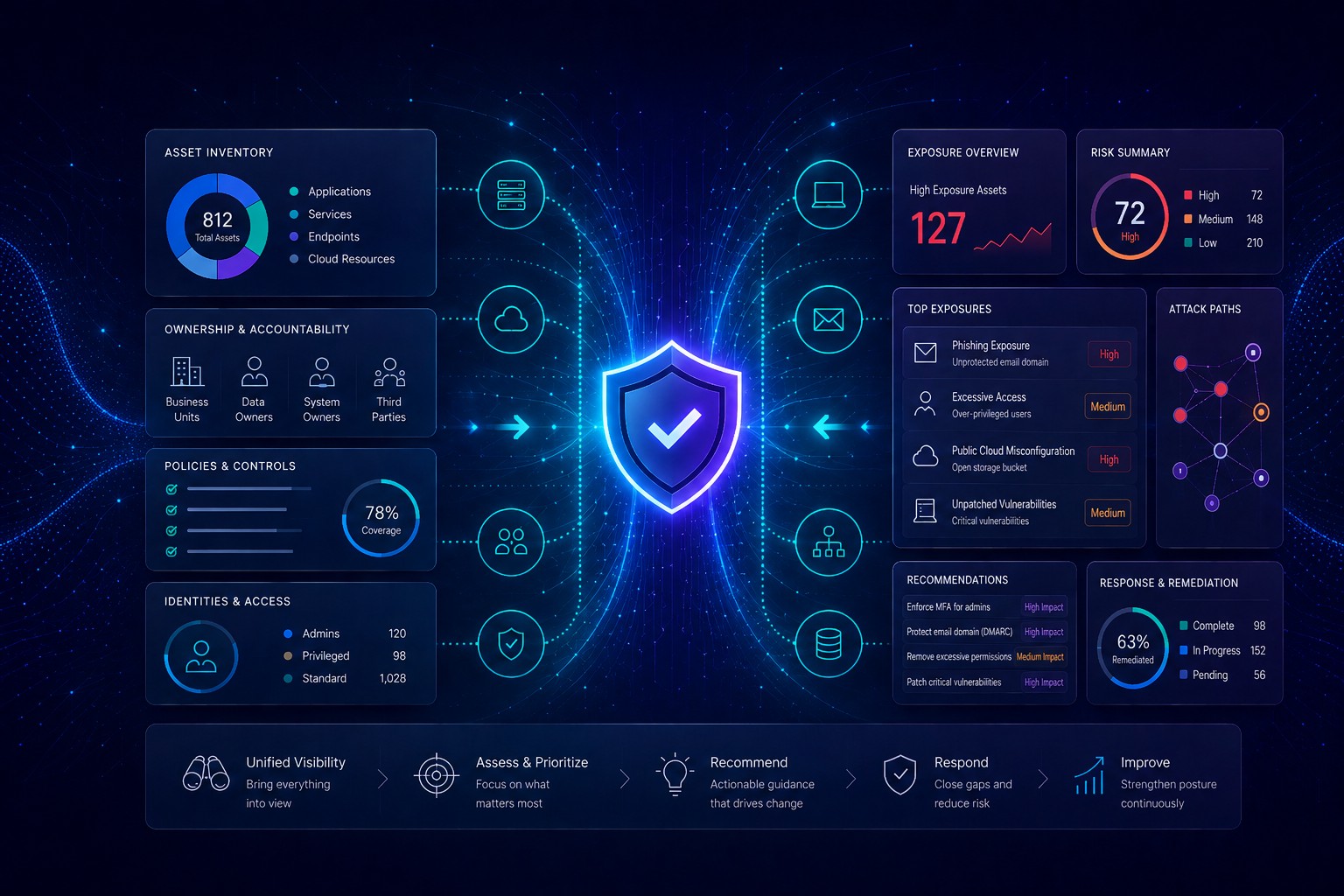
• visibility
• control
• lifecycle management
• governance
• auditability
• decision support
The Starter Kit helped surface those patterns.
But the longer-term direction now appears to be toward native administration: governance embedded directly into the platform rather than managed primarily through a separate solution layer.
That matters because the work does not disappear. It moves closer to where administrators, makers, and leaders already operate.
A Familiar Pattern
This is not the first Microsoft platform shift pointing in this direction.
In an earlier article published on September 14, 2025, I wrote about the retirement of Project Online and what that means beyond the product itself. Microsoft has confirmed that Project Online will retire on September 30, 2026.
The deeper point was not simply that one product was being retired. It was that project and portfolio management are moving away from standalone systems and toward a more integrated Microsoft 365 ecosystem. Planner, Power Platform, Copilot, reporting, governance, and AI-assisted delivery are becoming part of a larger operating layer.
That same pattern appears here. Power Platform governance is not disappearing. It is becoming more native.
Where E7 and Agent Governance Fit
This is also why Microsoft E7 and Agent 365 matter.
In my March 17, 2026 article, “Microsoft E7: Not Just a License — A Shift in How Delivery Environments Will Operate,” I reflected on E7 not simply as a license bundle, but as a signal of how enterprise environments are changing.
The interesting part is not only what is included.
The more important signal is structural.
Microsoft is moving toward an enterprise operating layer where:
• identity
• security
• compliance
• endpoint management
• Copilot
• agents
• governance
are increasingly packaged and managed together. Microsoft 365 E7 and Agent 365 became generally available on May 1, 2026. For MYT, the next practical checkpoint will likely come after moving the environment from E5 to E7, when these newer governance and AI-administration layers can be explored directly.
That matters because AI is no longer just something users prompt. It is becoming something that participates inside workflows. And once AI begins participating inside workflows, governance becomes more important — not less, otherwise moving into an agentic space/era it almost seems.
What My Sandbox Still Taught Me
This is why the CoE sandbox still matters. Even if the Starter Kit itself is no longer the long-term destination, the build was not wasted. It taught the operating model.
It showed how governance visibility depends on:
• sync behavior
• maker activity
• environment inventory
• ownership relationships
• flow activity
• platform telemetry
• time
It also showed something harder to learn from documentation alone:
Systems do not reveal themselves all at once. They mature. They surface signals gradually. And the work of governance is not just configuration. It is interpretation.
The Audible
So this is the audible. Instead of forcing the next phase deeper into the Starter Kit, the next step is to understand where these capabilities now live natively.
That means shifting the learning journey from:
“How far can I build out the Starter Kit?”
to:
“Where is Power Platform governance going now?”
That is the better question.
And it is the more current one.
What Comes Next
The next phase is still practical. But the focus changes.
Rather than building only inside the CoE Starter Kit, the next step is to explore the Power Platform admin center and understand where:
• governance now lives
• environment visibility
• managed environments
• maker activity
• app and flow inventory
• security roles
• lifecycle controls
• governance actions
• admin analytics
The goal is not to abandon the CoE work.
The goal is to carry forward what it taught, because the concept remains, only the surface is changing.
A Checkpoint Before the Next Build
This is also a natural pause point. The platform is changing while the learning is happening.
That is part of working inside modern Microsoft environments. Tools, licensing models, AI capabilities, and governance surfaces are evolving quickly.
For now, this becomes a checkpoint. The next stage of this learning journey will likely begin once the environment transitions from E5 to E7 and the newer governance and AI-administration layers can be observed in practice. That timing matters. It allows the next phase to be based on interaction, not speculation.
Closing Thought
This series began as a hands-on study of the CoE Starter Kit.
It has now become something broader:
a study of how Microsoft platform governance is evolving.
That feels appropriate. Because modern delivery environments are not standing still. The tools are changing.
The governance layer is shifting.
AI is becoming part of the operating model. And the real skill is not memorizing where everything is today.
It is understanding what is moving, why it matters, and how to adapt without losing control.
_____________________________________________________________________________________________________________
Next:
Exploring where Power Platform governance lives now — after the CoE Starter Kit.
_____________________________________________________________________________________________________________