At this stage, the system had stabilized—and become quiet.
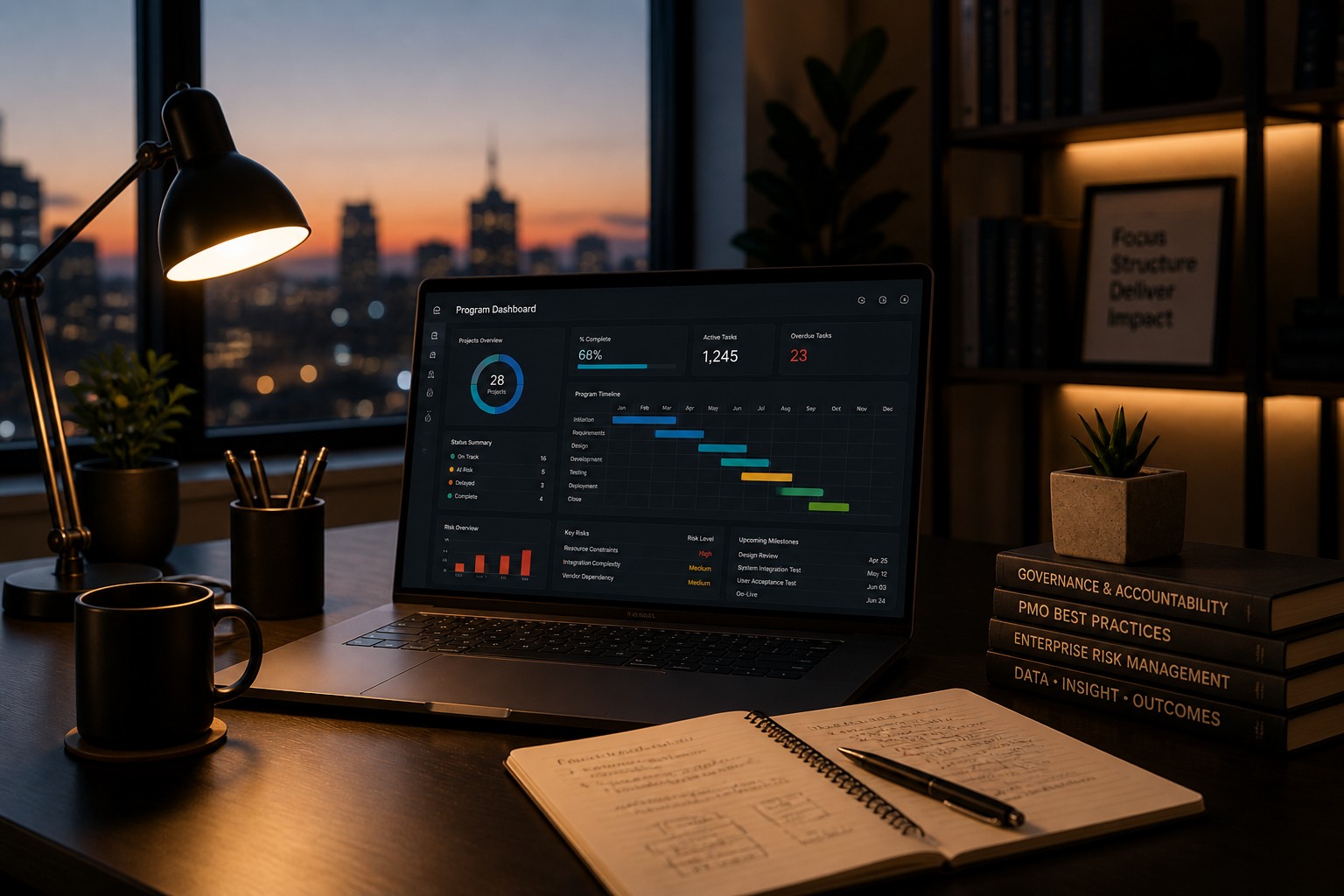
The dashboards were consistent.
Makers were visible.
Activity was being tracked.
And for the first time, nothing new was appearing.
That turned out to be the most important signal yet.
Up until this point, the focus had been on whether the CoE was working:
- Were flows being detected?
- Were relationships resolving?
- Was the data appearing as expected?
Those questions have now been answered.
The system is working.
The question now changes.
The question is no longer whether the system is functioning. It is what the system reveals about how work actually happens.
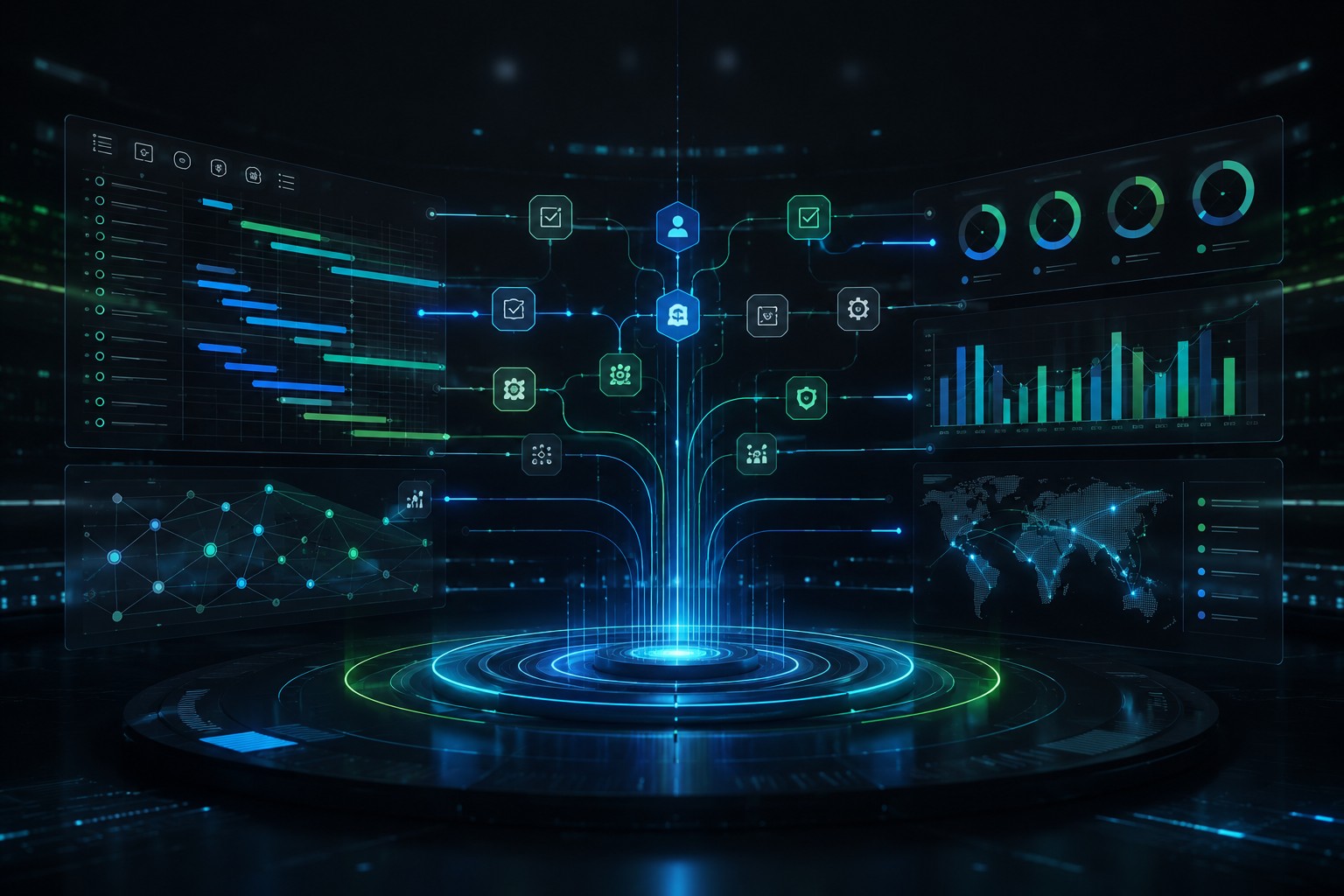
At a surface level, the CoE presents:
- Makers
- Flows
- Connectors
- Activity
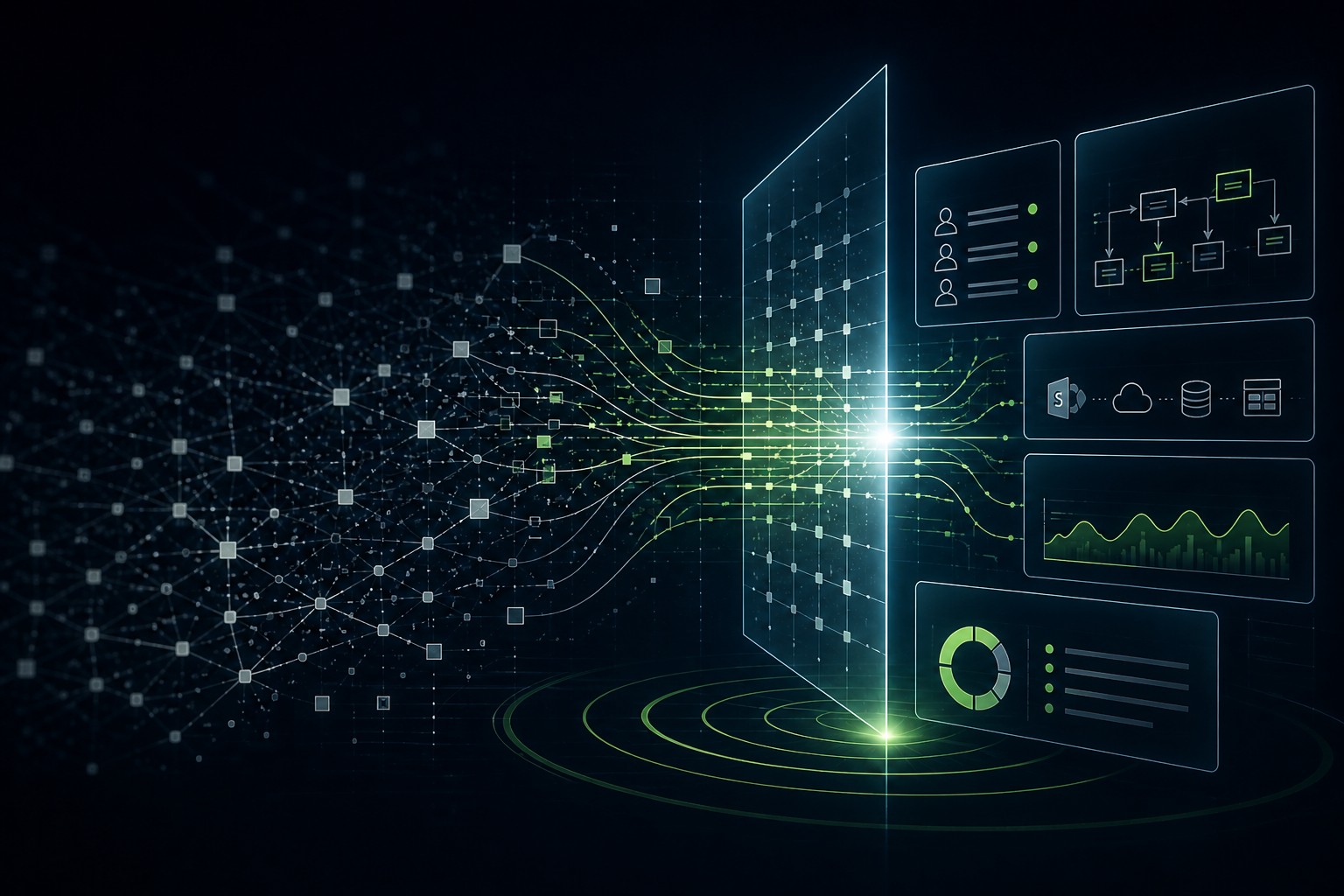
But these are not just platform elements.
They are signals:
- Who is building
- What processes are being automated
- Which systems are being used
- What is actually active
Taken together, they begin to form a picture—not of the platform, but of how the organization actually operates.
In many environments, the challenge is not effort:
Teams are working.
Systems exist.
Reporting continues.
But without a shared, trusted objective view of what is actually happening, something subtle begins to occur:
Different interpretations of progress emerge.
Work continues—but alignment weakens.
Updates are provided—but decisions lose grounding.
Over time, delivery begins to drift. The CoE does not solve this on its own.
But it introduces something critical:
A consistent point of visibility.
A place where activity can be observed, and assumptions can be challenged.
At this point, the system is no longer something to configure.
It is something to interpret.
And that leads directly to the next step.
What Comes Next:
Understanding visibility is only the first layer.
The real challenge is making that visibility meaningful.
Not in theory—but in practice.
The next phase is to move beyond observation and begin constructing a realistic model:
- defining roles instead of generic users
- aligning flows to actual business processes
- and shaping the environment to reflect how work is truly performed
This is where the CoE moves from a system of signals
to a system that reflects delivery itself.
__________________________________________________________________________________________
Next – In Part 5
Simulating Delivery — What a Real CoE Looks Like When It Reflects Work as It Actually Happens
__________________________________________________________________________________________